Read a label as a whole
A product label is most useful when you read its pieces together. The ingredient list, intended use, directions, warnings, and amount all contribute information. A single familiar word on the front does not describe the complete formula. Begin by checking that you have the current label for the exact product and format you are considering. Similar names or coordinated packaging can still refer to different formulations. If you cannot find the full list, request it before ordering. Keeping a copy of confirmed information is a practical habit, particularly when you want to compare several products or avoid a particular ingredient.
Understand the role of cleansing agents
Cleansing agents are included to help a product perform its washing function. Different formats can use different approaches, so a liquid cleanser and a solid bar should not be assumed to have the same ingredient structure. This article is a starting point for reading labels, not a way to determine the performance of an unknown formula. When a term is unfamiliar, ask what role it serves in the complete product. Avoid judging suitability from an isolated ingredient name. The way a finished product is formulated and intended to be used matters more than a simple list of words you recognize.
Know what humectant language is describing
You may encounter the term humectant in discussions of personal care ingredients. It describes an ingredient function associated with attracting water, rather than a guarantee of a particular experience from every finished product. Glycerin is a commonly discussed example in general ingredient education. Its mention here does not mean every SUVODA product contains it. Always return to the actual list for the item you are considering. Ingredient functions can help you understand a description, but they should not become promises about personal results. Ask for clear information about the formula and follow the directions provided for the specific product.
Put oils and butters in context
Oils and butters often appear in the names and descriptions of soap collections. Their role depends on the full formulation and how the product is made, information that a name alone does not establish. A shea-inspired product direction or a coconut fragrance note should not be treated as confirmation that a particular ingredient is included. Look for the actual ingredient list and ask a specific question when necessary. If you are choosing based on an ingredient preference, keep that preference separate from a scent preference. Both can matter to you, but they are different pieces of information that deserve separate confirmation.
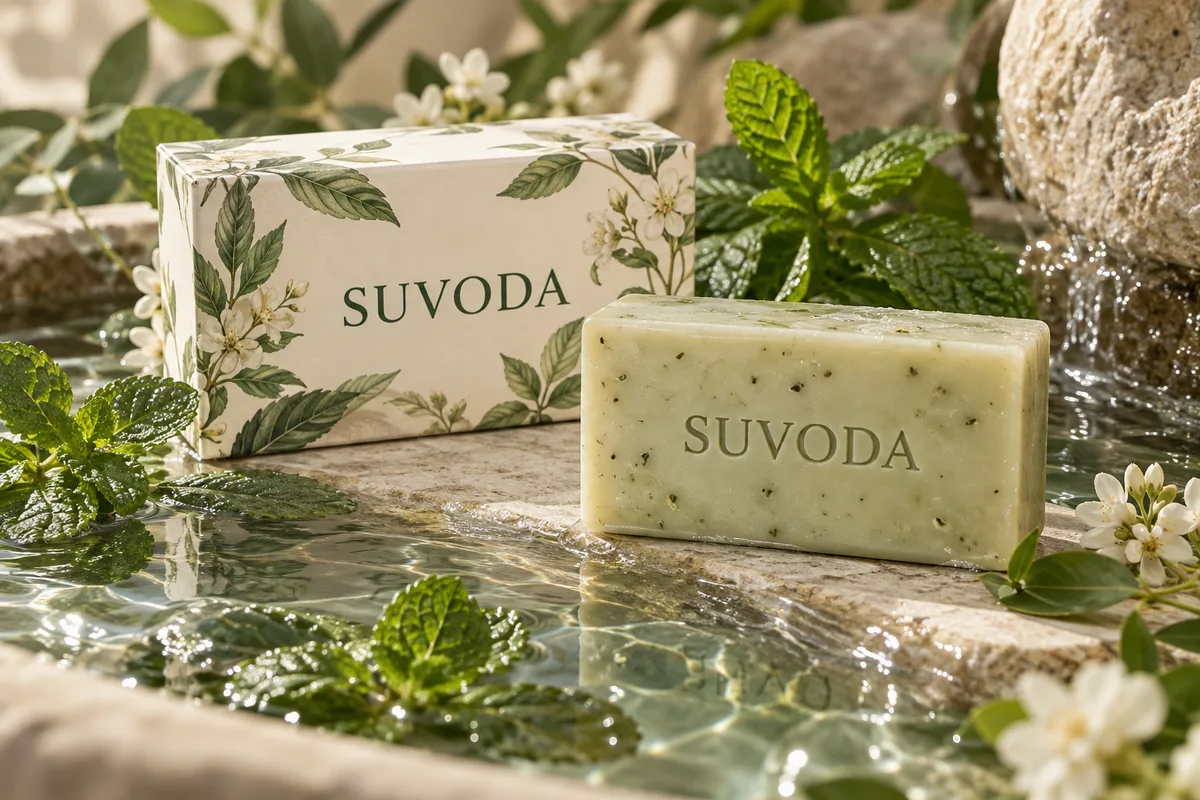
Distinguish fragrance from botanical ingredients
A botanical scent can be created in different ways, and a fragrance description does not disclose an entire formula. Words such as lavender, mint, or rose may communicate an intended aromatic impression. They do not by themselves prove the presence of an extract, oil, or flower. If you prefer no added fragrance, ask for that detail explicitly and review the complete label. If you want to know whether a particular botanical is present, ask that as a separate question. This approach helps keep a product’s creative description useful without allowing it to substitute for information you need to make a considered choice.
Treat color as a visual detail
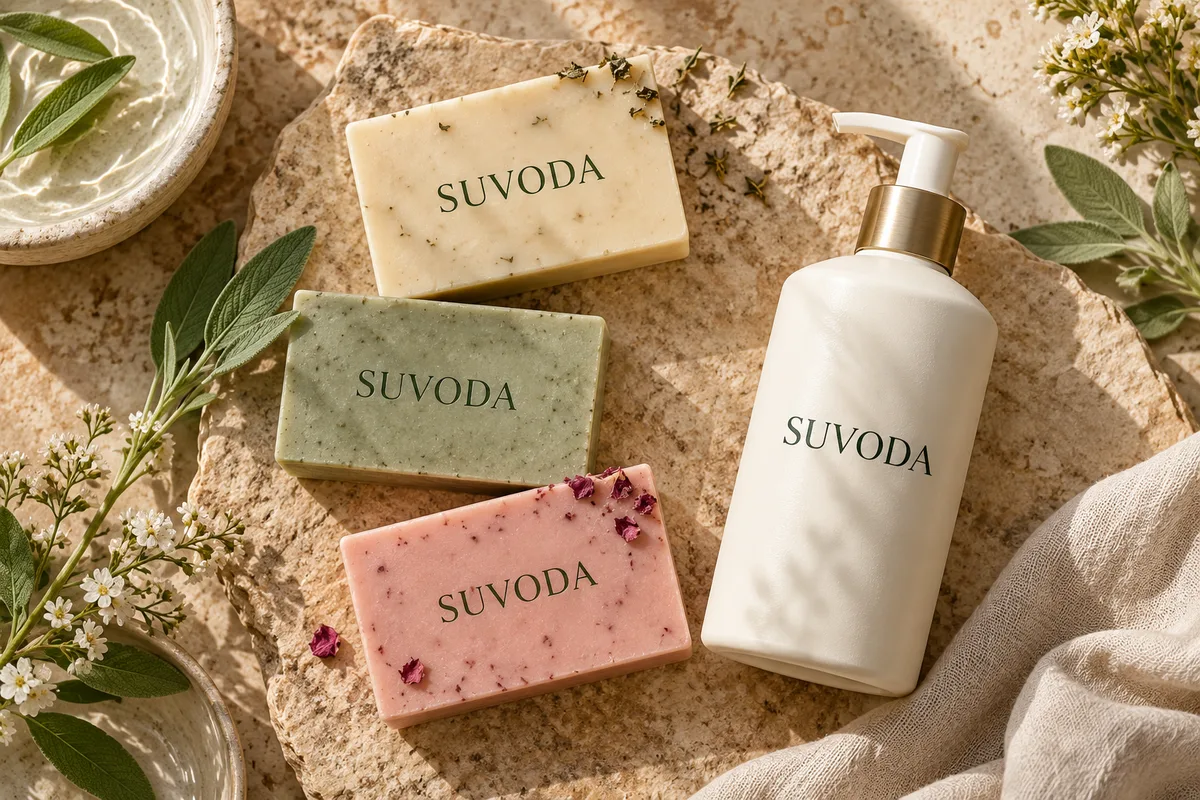
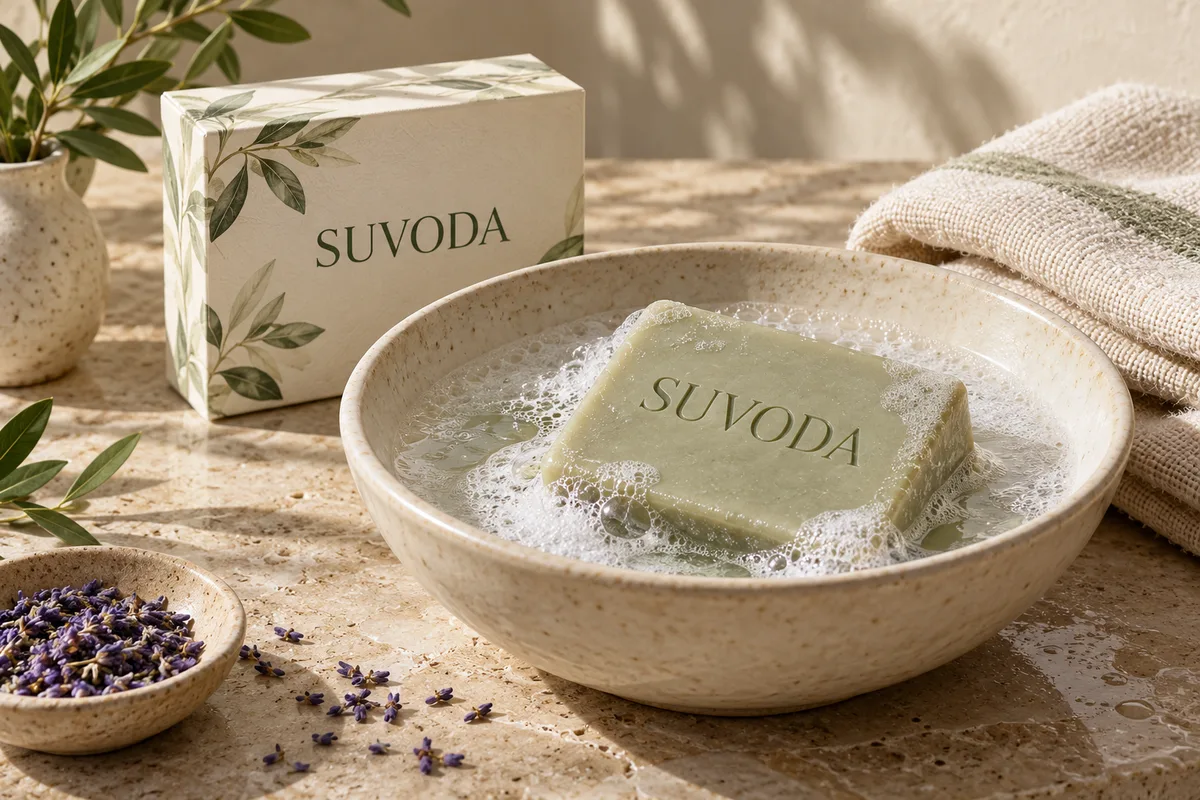
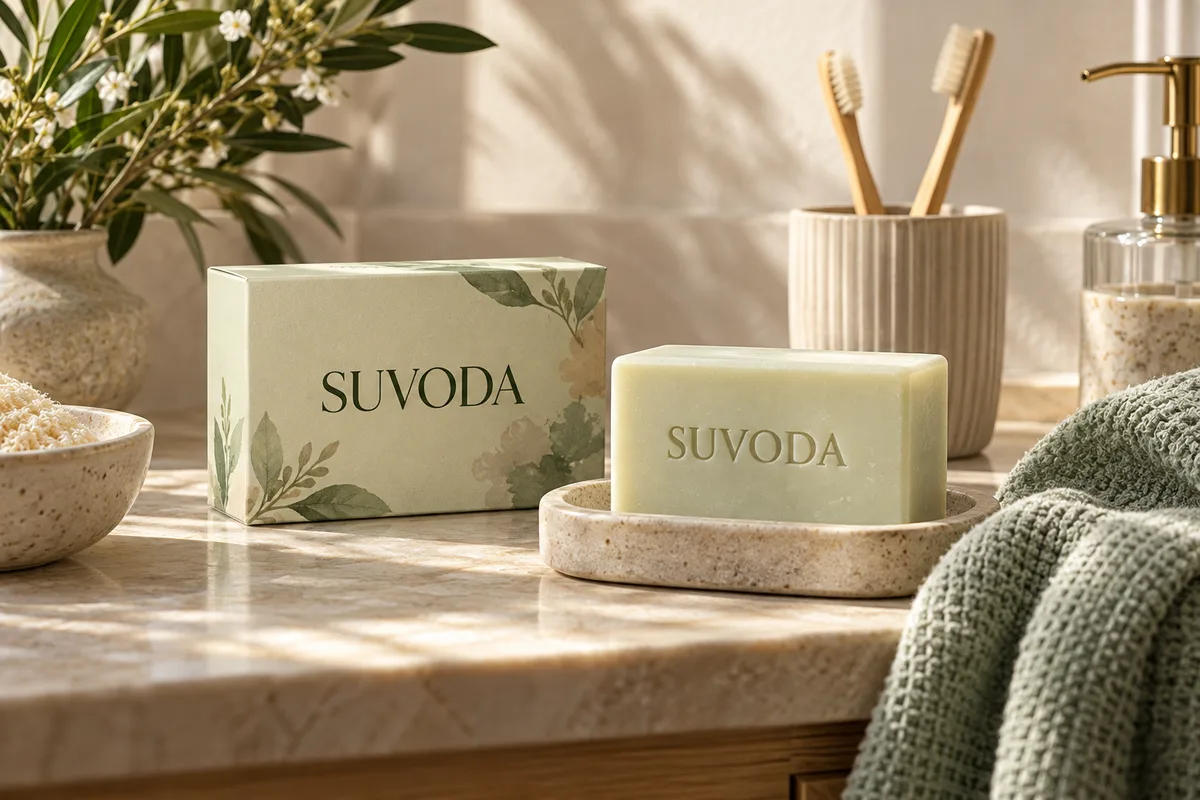
A pale green bar can make a lovely addition to a bathroom, but its color does not establish what it contains or how it will feel in use. Color can come from different sources, and a photograph may also reflect lighting and editing choices. Read the product information rather than inferring ingredients from a shade. The same principle applies to packaging: cream paper, botanical drawings, and soft colors can express a design direction without proving formulation details. You can appreciate the way an item looks while still asking straightforward questions about the actual product and the label you will receive.
Ask precise questions about botanicals
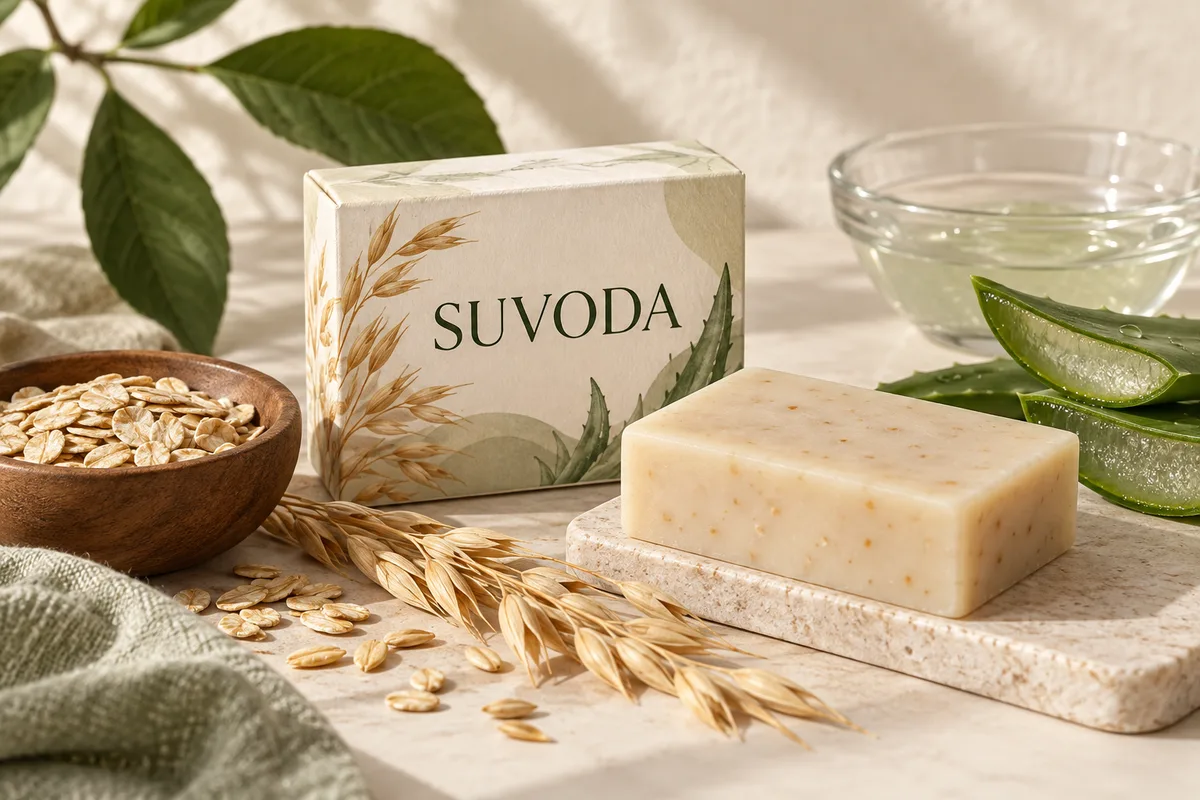
Instead of asking whether a product is natural in a broad sense, identify the detail you want to understand. You might ask whether aloe is present, whether a particular scent is added, or whether the final label includes an ingredient you avoid. Specific questions are easier to answer accurately than a general request for reassurance. Do not assume an unfamiliar ingredient is unsuitable or a familiar plant name is automatically appropriate for you. Botanical ingredients also belong in the context of a complete formula. The most useful answer connects your question to the exact item, its current label, and its labeled intended use.
Keep personal requirements at the center
Your own requirements can make label reading more focused. Write down any ingredients you need to check and distinguish them from preferences about scent, texture, or packaging. Review each item individually, including products sold together in a gift set. A collection name should not be used as a substitute for checking those details. If you have a personal concern about suitability, seek qualified advice and bring the complete product information with you. A general article cannot evaluate an individual need. Clear records and specific questions help you avoid relying on broad marketing descriptions when a precise answer is what matters.
Use the information to choose more calmly
You do not need to understand every technical term before you can make a more considered purchase. Begin with the exact item, obtain its complete current label, confirm its intended use, and ask about the details that affect your decision. Keep fragrance direction separate from ingredient confirmation and packaging design separate from performance expectations. Our catalog organizes possible starting points, while email support can help you request final product information. Explore the guide to choosing soap for a broader shopping checklist. A little clarity before ordering is more useful than an elaborate interpretation of a formula you have not actually been given.
Explore the SUVODA collection or ask a product question. This is general everyday information; the final product label and intended-use directions should guide your choice.