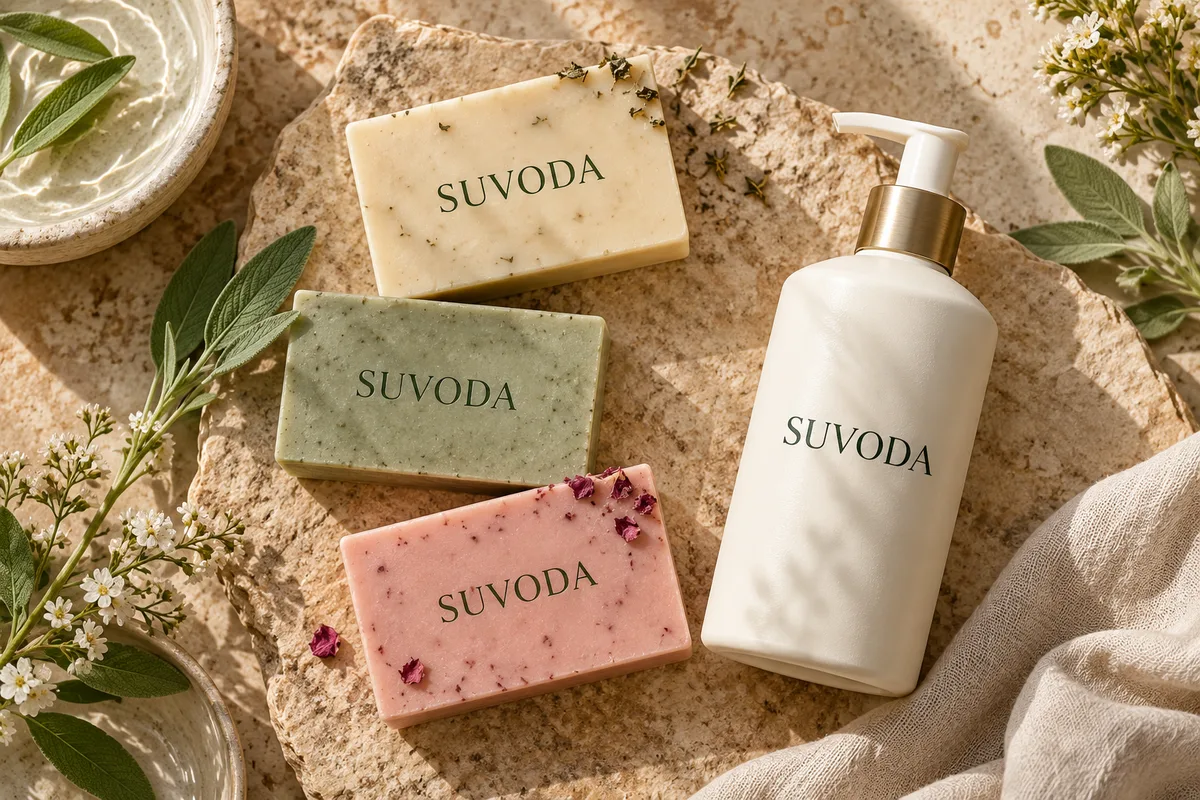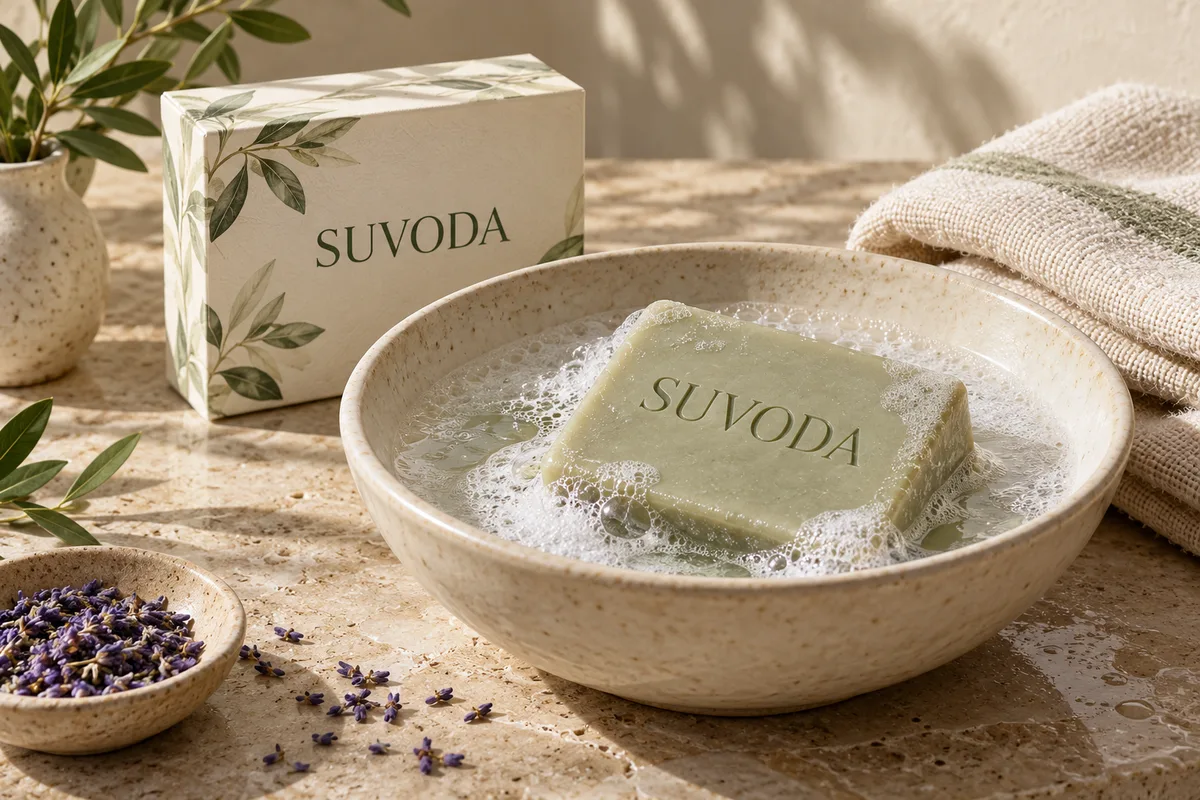
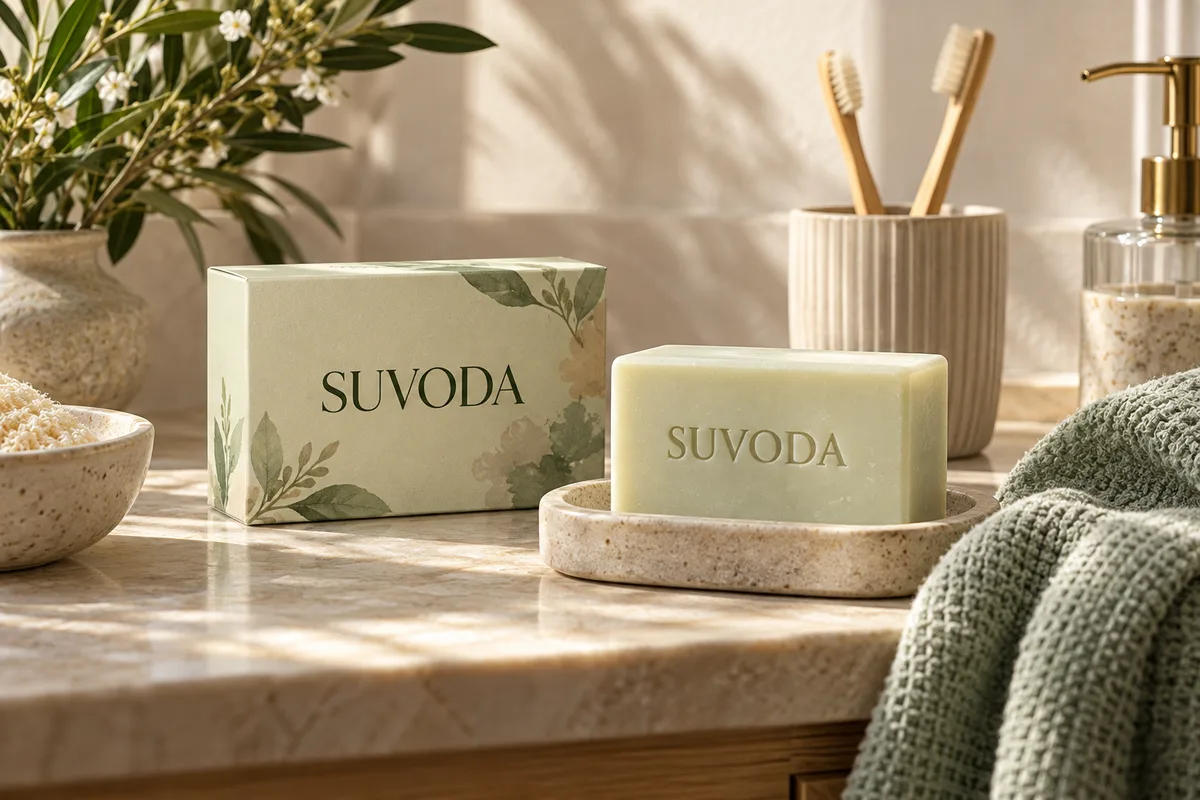
Start with an honest look at your morning
Think about how much time you actually have before the day begins. A useful morning routine should fit that time without requiring an elaborate sequence of products. Keep the items you use within reach and put occasional extras elsewhere. Follow each product label rather than assuming the same directions apply to everything on your shelf. A tidy basin, a clean towel, and a clear place for soap can be enough to make the space feel ready. The aim is to remove small obstacles, not to turn every morning into an ambitious project that becomes difficult to maintain.
Give the evening a simple sequence
An evening routine can provide a natural stopping point after a busy day. Decide which steps have a clear purpose and arrange them in an order you can follow without much thought. Use a cleanser intended for the area you are washing and follow its directions. Avoid extending body or hand product use to other areas simply because the bottle is nearby. Put the essentials back where they belong when you finish. That small reset makes tomorrow easier. You may enjoy a quiet fragrance or prefer none at all; choose according to your own preferences and the confirmed product information.
Be thoughtful about water temperature
Choose a comfortable water temperature and avoid treating an intense sensation as a goal in itself. You do not need a dramatic shower to create a deliberate pause. If your routine feels uncomfortable, consider the basic habits around it as well as the products. The time spent washing, the way you use a cloth, and the amount of rubbing can all affect the experience. Follow any specific product directions. Simple adjustments are easier to notice when you make them one at a time. Keep the focus on a practical, comfortable wash rather than a collection of strict rules borrowed from someone else.
Let context shape frequency
Different parts of your day create different washing needs. A handwashing moment after an everyday task is not the same as adding another full body wash simply out of habit. Follow relevant hygiene guidance for the situation and the product directions for the item you are using. Avoid assuming that repeating a step automatically makes it more useful. Look at why a step is in your routine and whether you understand its purpose. If you have questions about a personal concern, seek qualified guidance rather than relying on a general article. A routine should respond to your life instead of becoming an inflexible checklist.
Keep follow-up care easy to reach
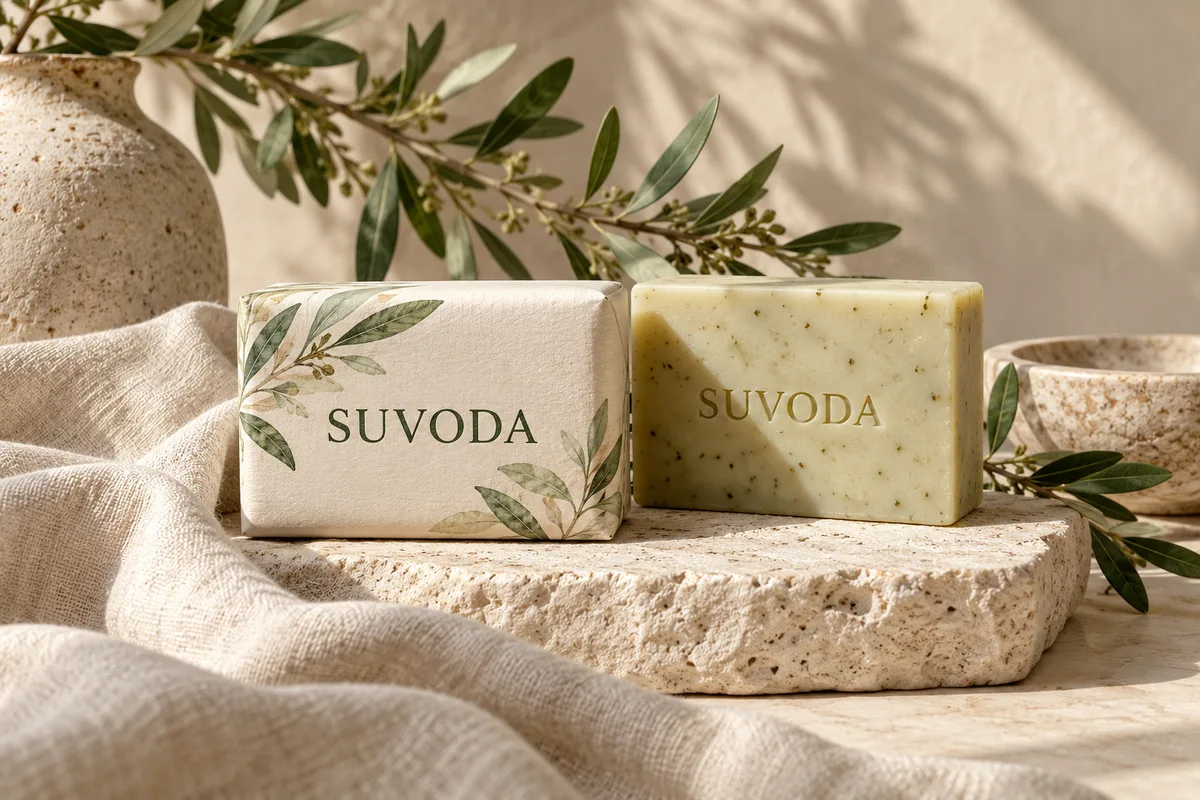
If a moisturizer is part of your routine, keep it accessible and use it according to its own directions. Do not assume a soap replaces every other personal care step or that adding more products is always necessary. Check labels when using several items, especially if you have particular ingredient preferences. Organize your shelf around actual use rather than matching packages. A small tray can help keep daily items together without filling the whole basin. The most useful arrangement is the one that makes ordinary care easy to remember and leaves enough space to clean the surrounding surfaces properly.
Look after towels and accessories
Clean accessories deserve as much attention as the product you choose. Follow the care instructions for towels, cloths, dishes, and any other tools in your routine. Give damp items space to dry, and avoid leaving a bar in a pool of water. A draining dish can be a practical addition to a shower shelf. Keep items used by different people organized so they are easy to identify. Review the setup occasionally: an attractive accessory that is difficult to keep clean may not be helping your routine. Simple, usable pieces often serve an everyday space better than a crowded arrangement of decorative objects.
Review the routine when the season changes
A change in weather, travel, or the rhythm of your day can be a useful reminder to review your habits. That does not mean buying a whole new collection each season. Begin with what feels useful and what has become inconvenient. Perhaps you need a smaller format for a trip, a different place for a soap dish, or fewer scented items in a shared room. Keep changes manageable and read directions for anything new. Avoid assuming a seasonal fragrance name establishes a different formula or a personal benefit. Product details, your preferences, and the way you actually use an item remain the useful starting points.
Notice common routine traps
It is easy to collect products with overlapping purposes or keep adding steps because a routine looks beautiful online. Another common mistake is deciding what is in a bottle from its name alone. Read the full label, confirm intended use, and avoid using unfamiliar items together without understanding their directions. Do not keep using something that causes concern simply because it was expensive or arrived in a coordinated set. A routine is allowed to be smaller than the one you imagined. Removing an unnecessary step can be as thoughtful as choosing a new product, especially when the result is easier to understand and maintain.
Create your own everyday edit
Choose a few habits you want to keep: placing a towel within reach, letting a bar drain, reading a new label, or setting the room in order at night. These details are modest, but they shape the experience of using the space. Explore our Journal for guidance on choosing soap and understanding ingredients, then browse a collection with your own priorities in mind. Before ordering, ask SUVODA for the confirmed details of the items you are considering. You do not need to copy someone else’s shelf. A considered routine can be personal, simple, and useful on an entirely ordinary day.
Explore the SUVODA collection or ask a product question. This is general everyday information; the final product label and intended-use directions should guide your choice.